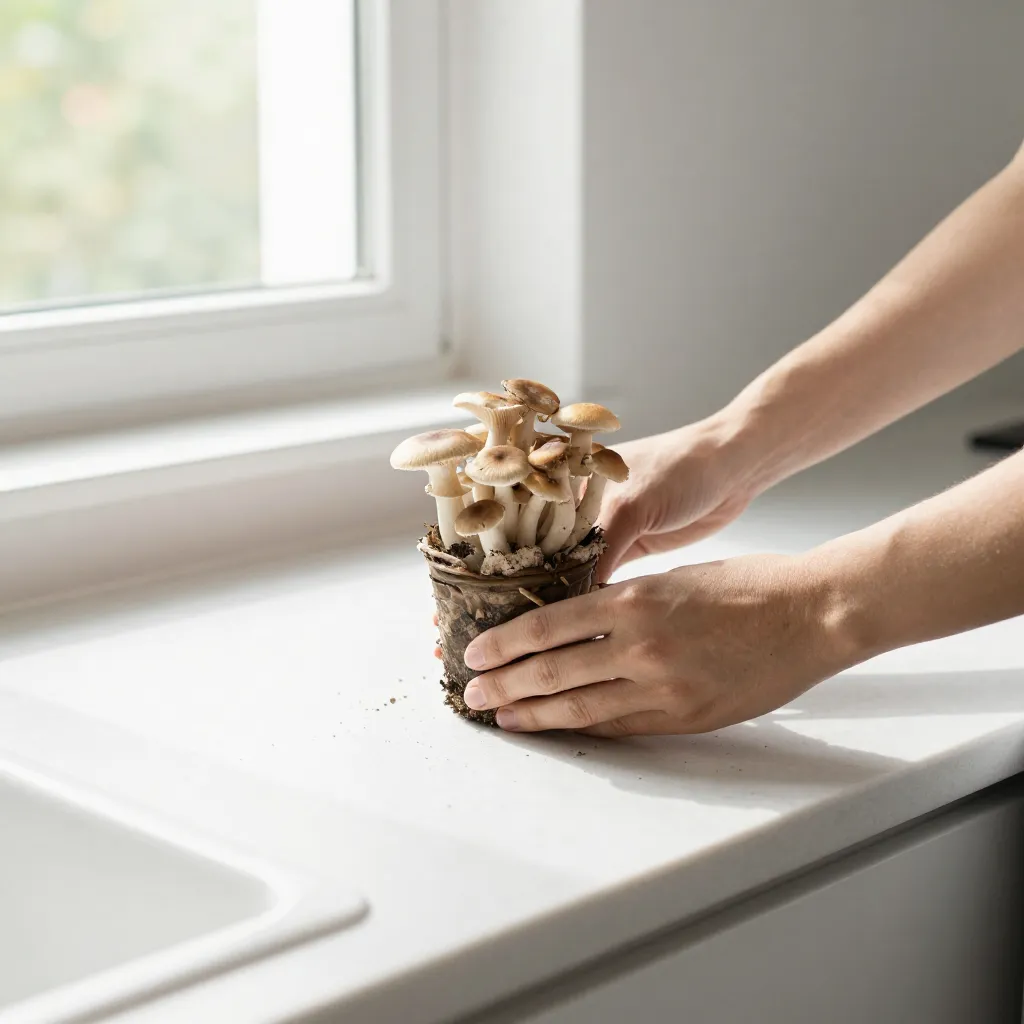
Grow Guide
Everything you need to know to successfully grow gourmet mushrooms at home
Choosing the Right Kit
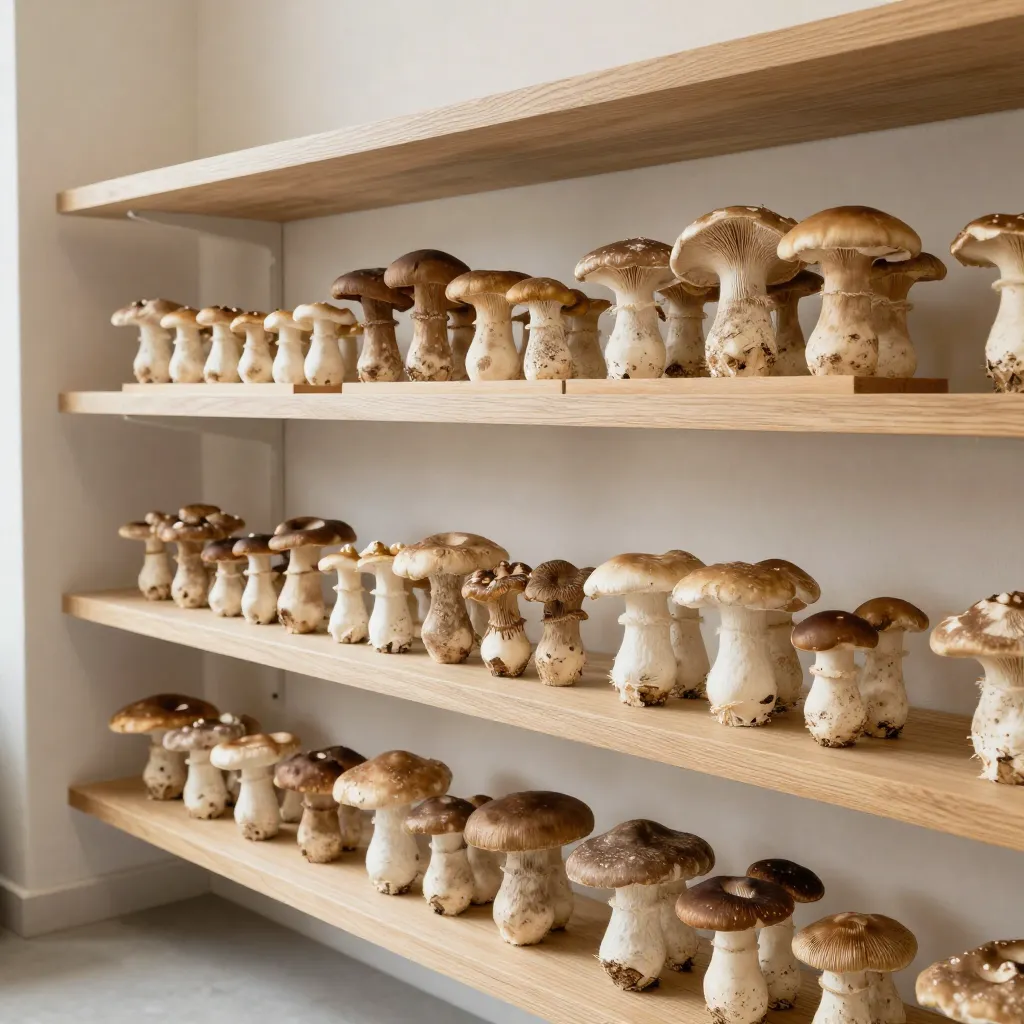
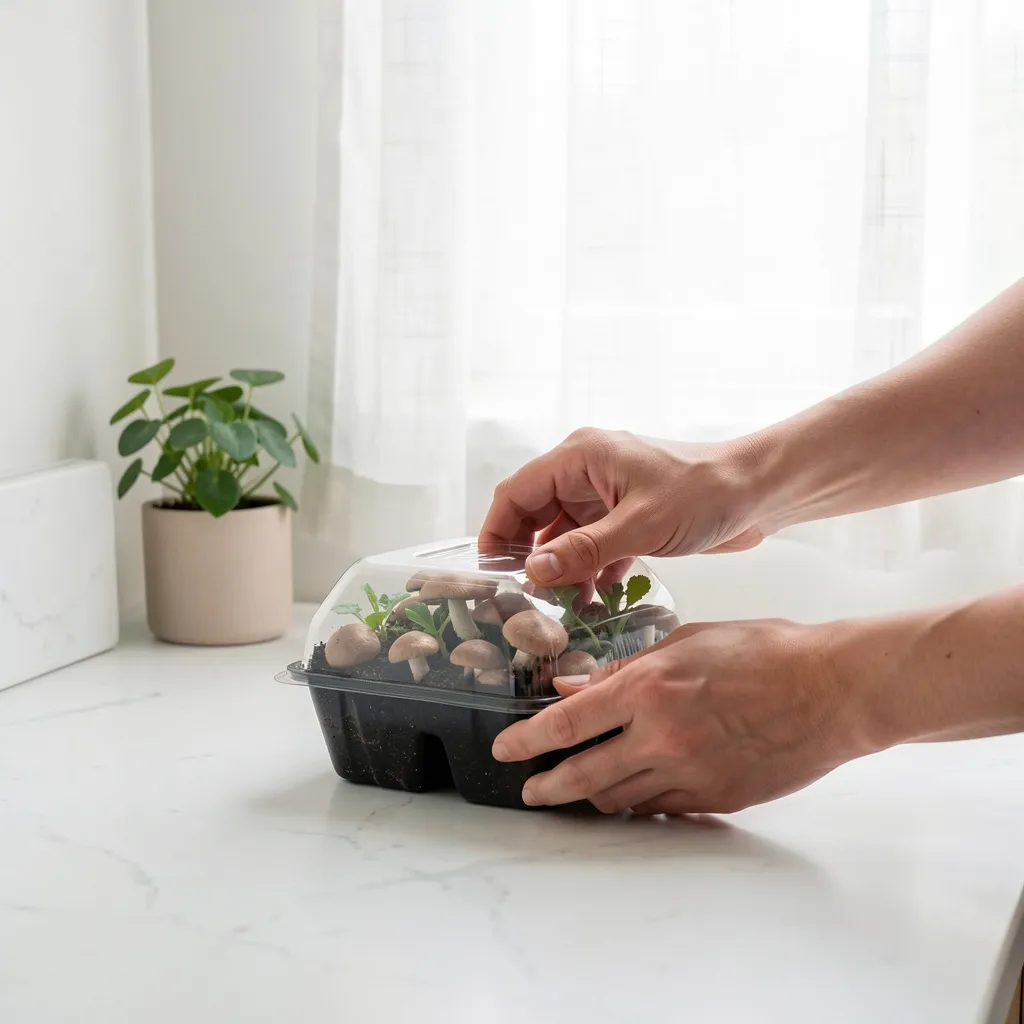
Selecting the perfect mushroom grow kit depends on your experience level, available space, and culinary preferences. Each variety has unique characteristics that make it suitable for different growing environments.
For beginners, oyster mushrooms are an excellent starting point. They're resilient, fast-growing, and forgiving of minor mistakes. Their mild flavor makes them versatile in the kitchen, perfect for experimenting with different recipes.
Intermediate growers might enjoy the challenge of shiitake mushrooms, which require slightly more attention but reward you with rich, umami flavors. Lion's Mane offers a unique texture and is gaining popularity for both culinary and wellness purposes.
Consider your kitchen space, humidity levels, and how quickly you'd like to see results. Most kits include detailed instructions specific to that variety, ensuring success even for first-time growers.
Ideal Growing Conditions
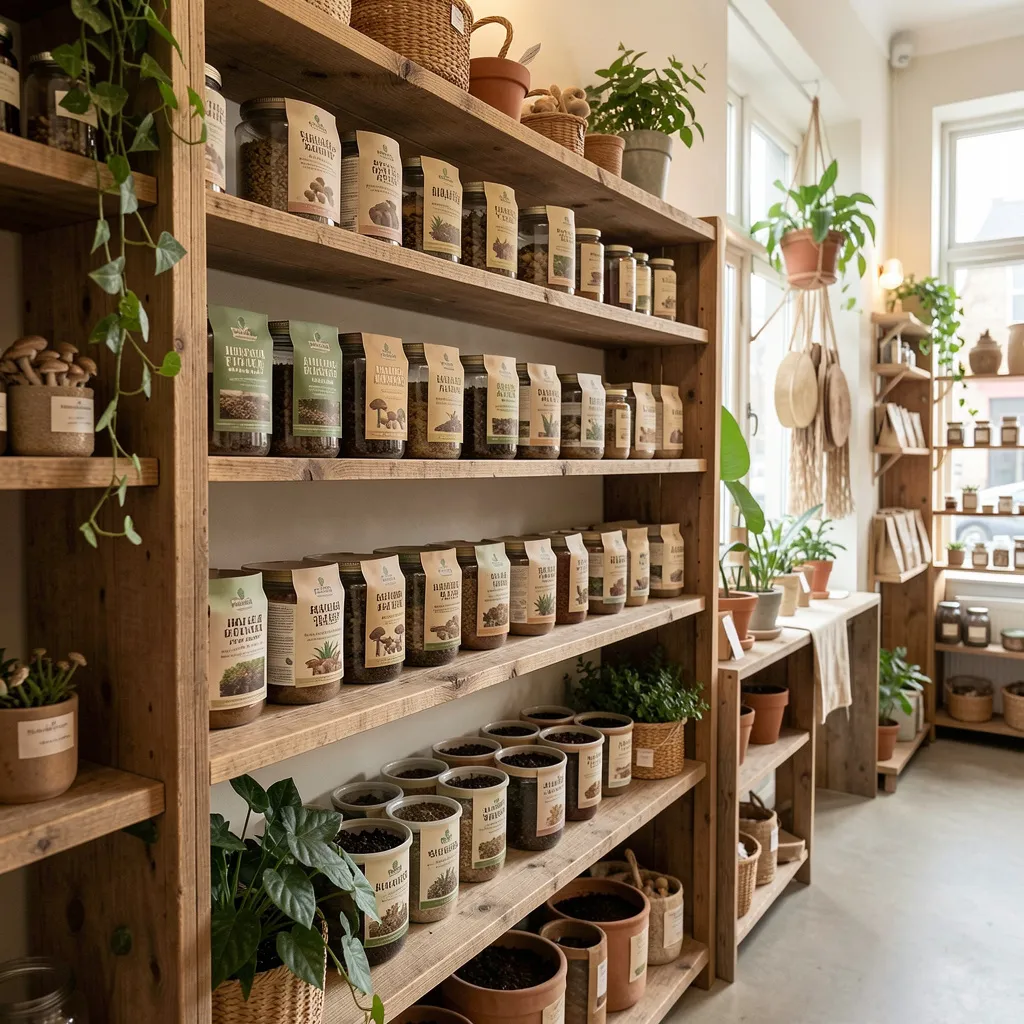
Temperature
Most gourmet mushrooms thrive in temperatures between 18-24°C. Avoid placing your kit near heat sources or in direct sunlight, as excessive heat can inhibit growth or cause premature drying.
Humidity
Mushrooms need consistent moisture to develop properly. Mist your kit 2-3 times daily with clean water, ensuring the surface stays damp but not waterlogged. A spray bottle works perfectly for this.
Light
Unlike plants, mushrooms don't require direct sunlight. Indirect natural light or ambient room lighting is sufficient. Some varieties even prefer darker conditions during the initial growth phase.
Airflow
Good air circulation prevents mold growth and helps mushrooms develop properly. Keep your kit in a well-ventilated area, but avoid strong drafts that might dry out the substrate too quickly.
Location
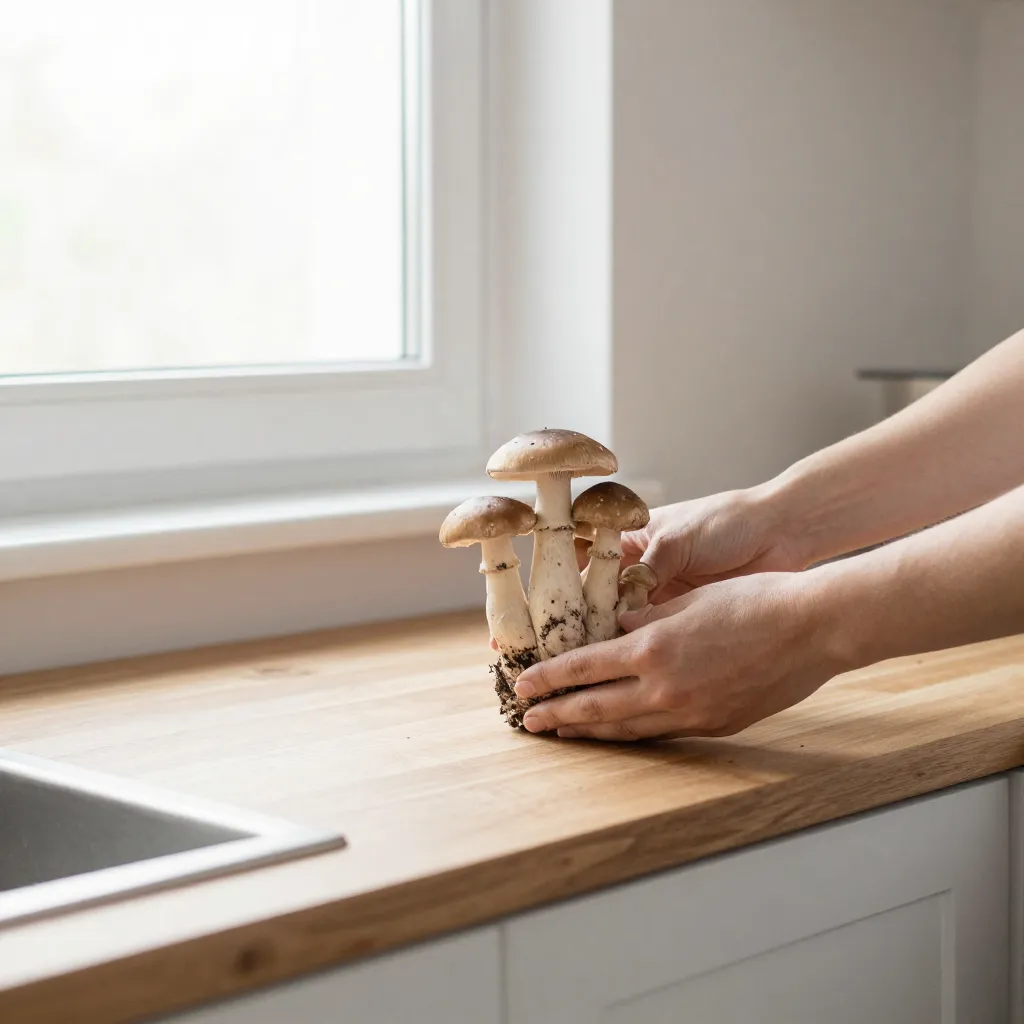
Kitchen counters, bathroom shelves, or basement areas often provide ideal conditions. The key is finding a spot with stable temperature and easy access for regular misting.
Harvesting Tips
Knowing when and how to harvest your mushrooms ensures the best flavor and texture. Timing varies by variety, but general principles apply across all types.
When to Harvest
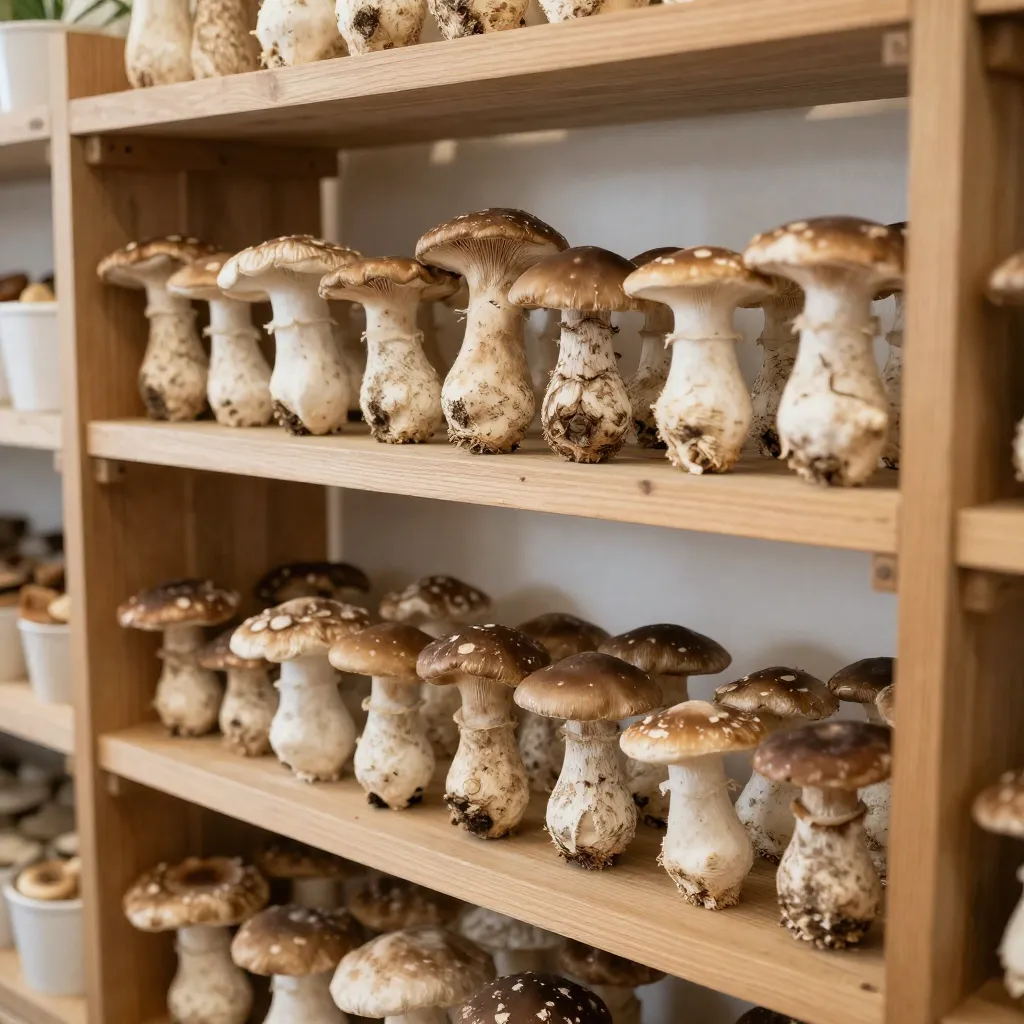
Harvest when the mushroom caps are fully opened but before the edges begin to curl upward. The gills underneath should be visible and well-formed. For oyster mushrooms, this typically means caps are 5-10cm in diameter.
How to Harvest
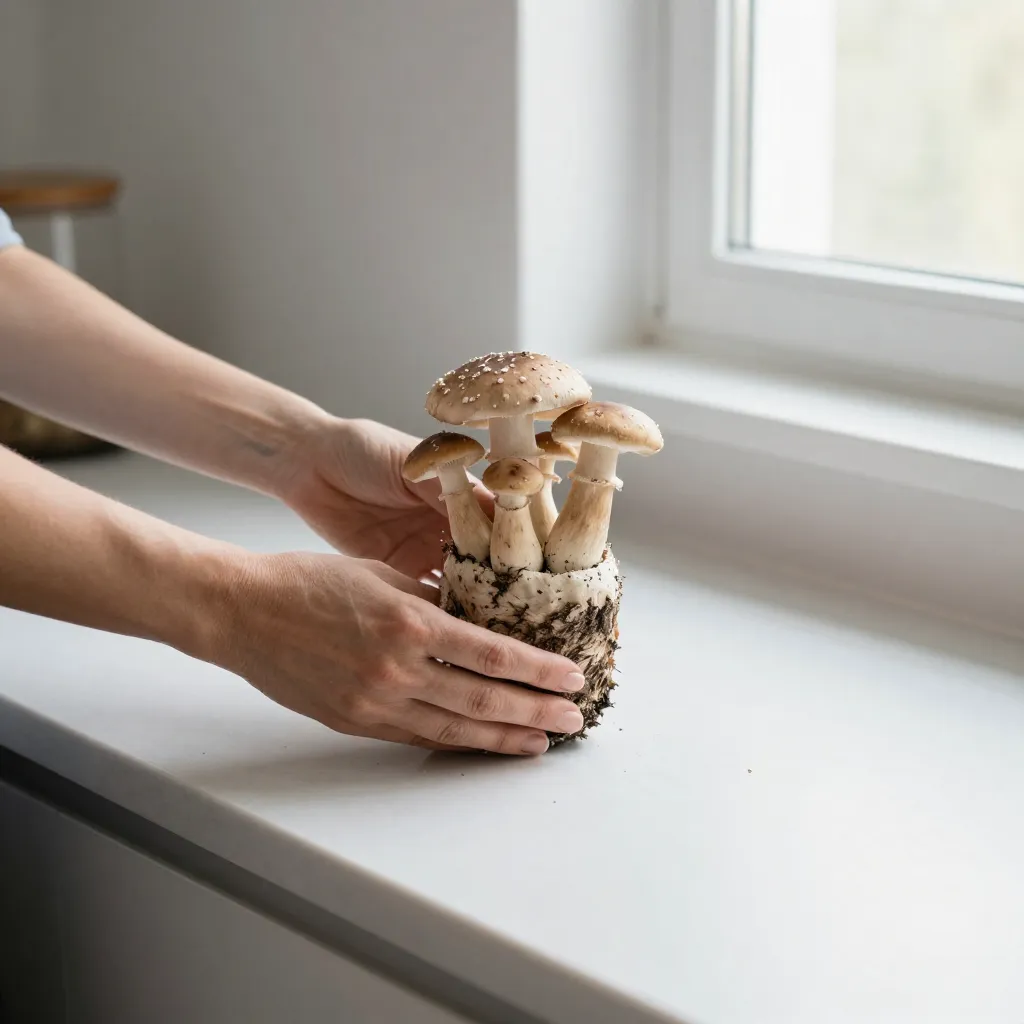
Gently twist and pull the entire mushroom cluster from the substrate. Avoid cutting, as this can leave stumps that may rot. Harvest clusters together rather than individual mushrooms when possible.
Post-Harvest Care
After harvesting, continue misting your kit daily. Many varieties produce multiple flushes, with the second harvest often appearing 7-14 days after the first. Keep the substrate moist and watch for new pin formations.
Storage
Fresh mushrooms are best used immediately, but they can be stored in the refrigerator for 3-5 days. Place them in a paper bag or breathable container to prevent moisture buildup. Avoid plastic bags, which can cause spoilage.
Common Questions
Most kits begin showing small mushroom pins within 5-7 days of initial setup. Full-sized mushrooms ready for harvest typically appear 7-14 days after pinning, depending on the variety and growing conditions.
While it's possible to grow mushrooms from spores or spawn, grow kits provide the easiest and most reliable method for home cultivation. They come with pre-inoculated substrate and detailed instructions, eliminating much of the complexity.
If your kit doesn't produce mushrooms within 3 weeks, check that you're maintaining proper humidity and temperature. Ensure the substrate stays moist but not waterlogged. Some kits may need additional time, especially in cooler environments.
Most kits produce 2-3 flushes of mushrooms. The first harvest is typically the largest, with subsequent flushes being smaller but still substantial. Continue misting between harvests to encourage additional growth.
Yes, all mushrooms grown from our kits are safe to eat. They're cultivated from certified spawn on organic substrates. However, always ensure proper identification and never consume mushrooms that show signs of mold or spoilage.
Absolutely! The spent substrate makes excellent compost. It's rich in organic matter and beneficial microorganisms. Break it up and add it to your compost pile, or use it directly as a soil amendment in your garden.